
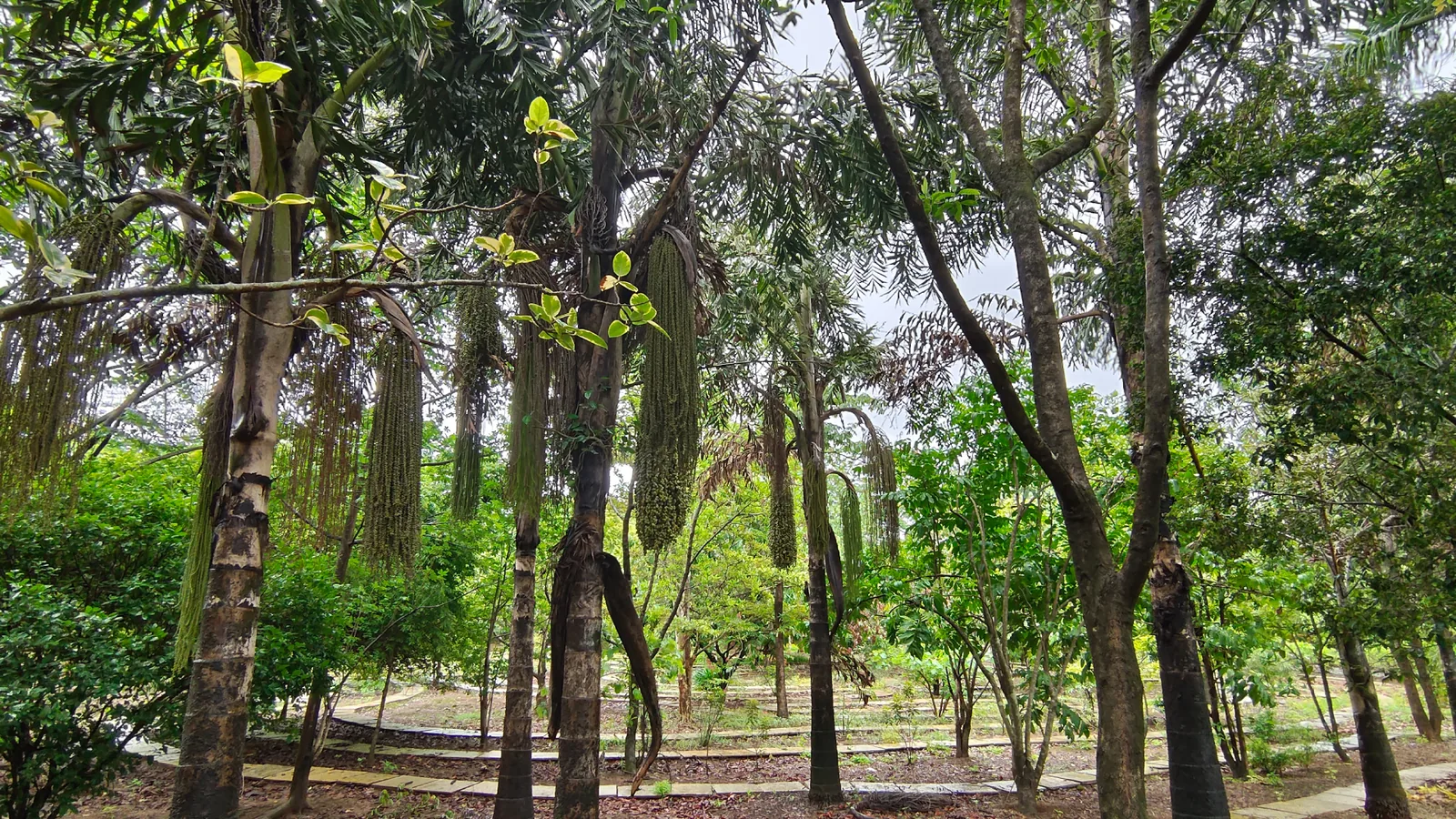
"23.93% of the campus is protected as Vanavihar, a biodiversity park and reserve."
In 2000, the campus had a single mango tree. The rest of the land was grass and shrubs. Over the years that followed, staff, faculty, and students planted more than 10,000 trees. Today, the campus is covered in forest and is home to a wide range of flora and fauna.
The Vanavihar Biodiversity Centre, was inaugurated on 12 February 2008. The conservation area is also referred to as the MUWCI Biodiversity Reserve.
In 2012, UNESCO designated the Sahyadri Hills a biodiversity hotspot and World Heritage Site, recognising it as one of the world's eight most significant concentrations of biological diversity, with more than 325 globally threatened species.
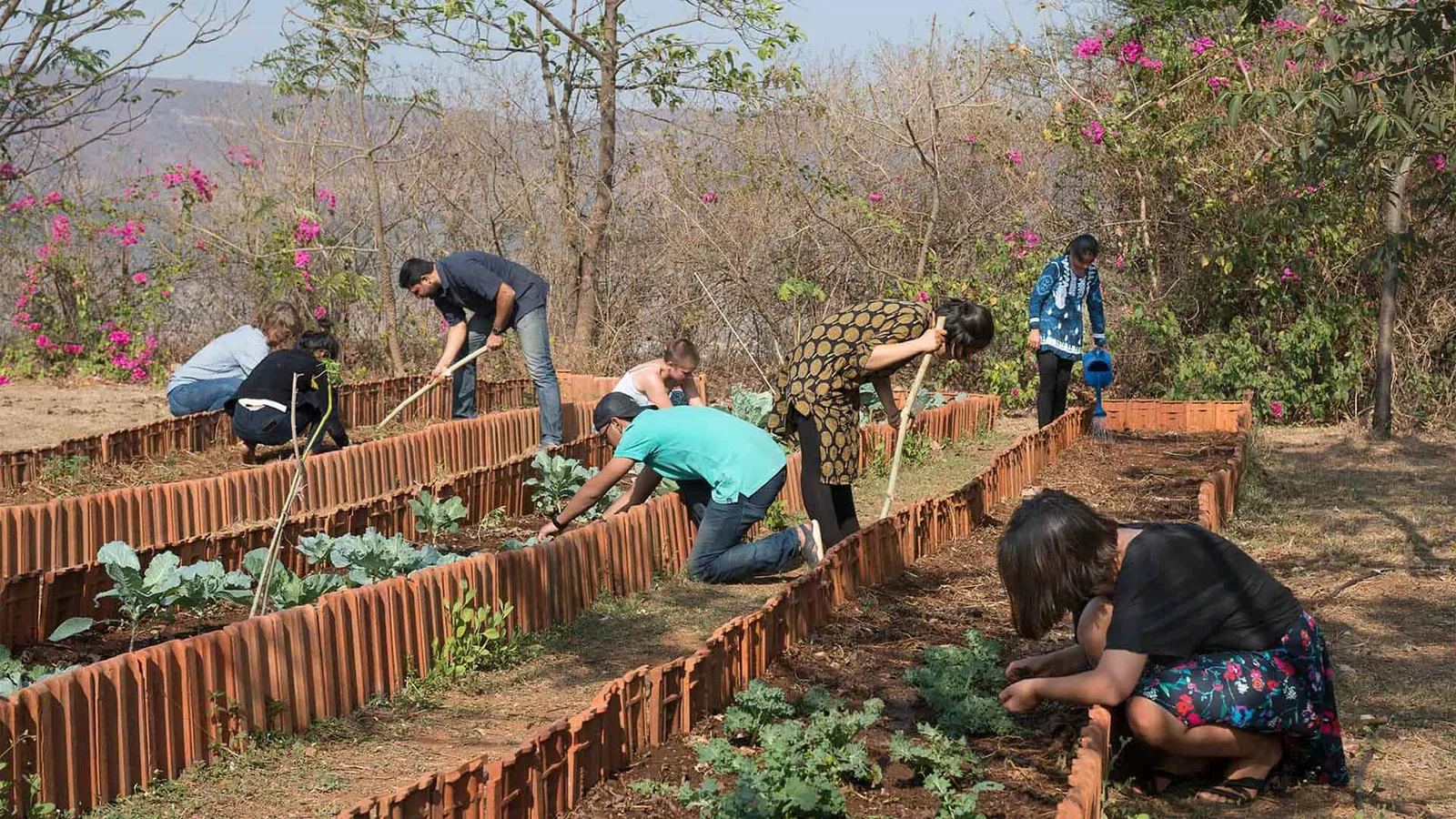
A forest built by students & teachers
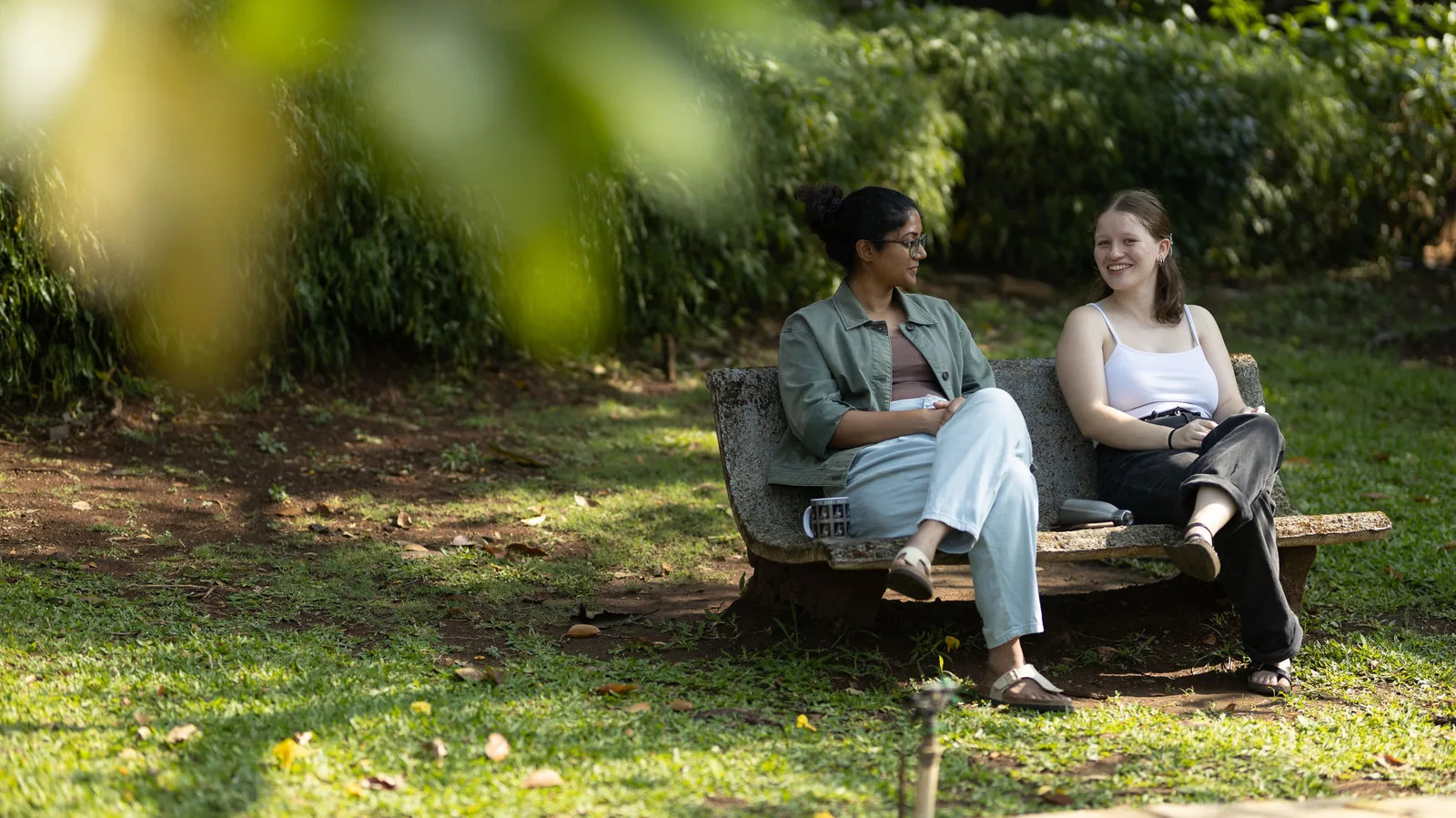
Walking trails run through reforested habitats that barely existed twenty-five years ago. Medicinal plant gardens, water bodies, and landscaped clearings sit alongside active conservation zones. Van Vihar is not a green buffer around the college. It is a vital part of the campus that students experience, work in, and are responsible for.
Tree planting campaigns and watershed restoration projects run throughout the year. A student-run Fire and Rescue Service manages fire risk across the terrain. That work also creates employment for residents of the neighbouring villages, tying the college's conservation efforts to the wider Mulshi community.
A recorded selection of species found within the Vanavihar Biodiversity Reserve
| Species | Details |
|---|---|
| 400+ plant and tree species | Including sub-tropical trees such as Mangifera Indica, Ficus Benghalensis, Terminalia Arjuna, and Pongamia Pinnata, along with rare medicinal plants, creepers, and shrubs. |
| 65+ butterfly and moth species | Including Papilio polymnestor (Blue Mormon), Catopsilia pomona, Delias eucharis (Common Jezebel), and Danaus chrysippus (Plain Tiger). |
| 30+ mammal species | Including the endangered Indian Pangolin, Palm Civet, Porcupine, Mouse Deer, Barking Deer, and Four-horned Deer. |
| 90+ bird species | Including the Crested Serpent Eagle, Oriental Honey Buzzard, and Paradise Flycatcher. |
| 90+ amphibian and reptile species | Including the Balloon Frog, Bush Frog, Fungoid Frog, Indian Spectacled Cobra, Common Krait, and Green Vine Snake. |
| 30+ aromatic plant varieties | Including Citronella Grass, Rosha, Galangal, Cinnamomum, and Peppermint. |
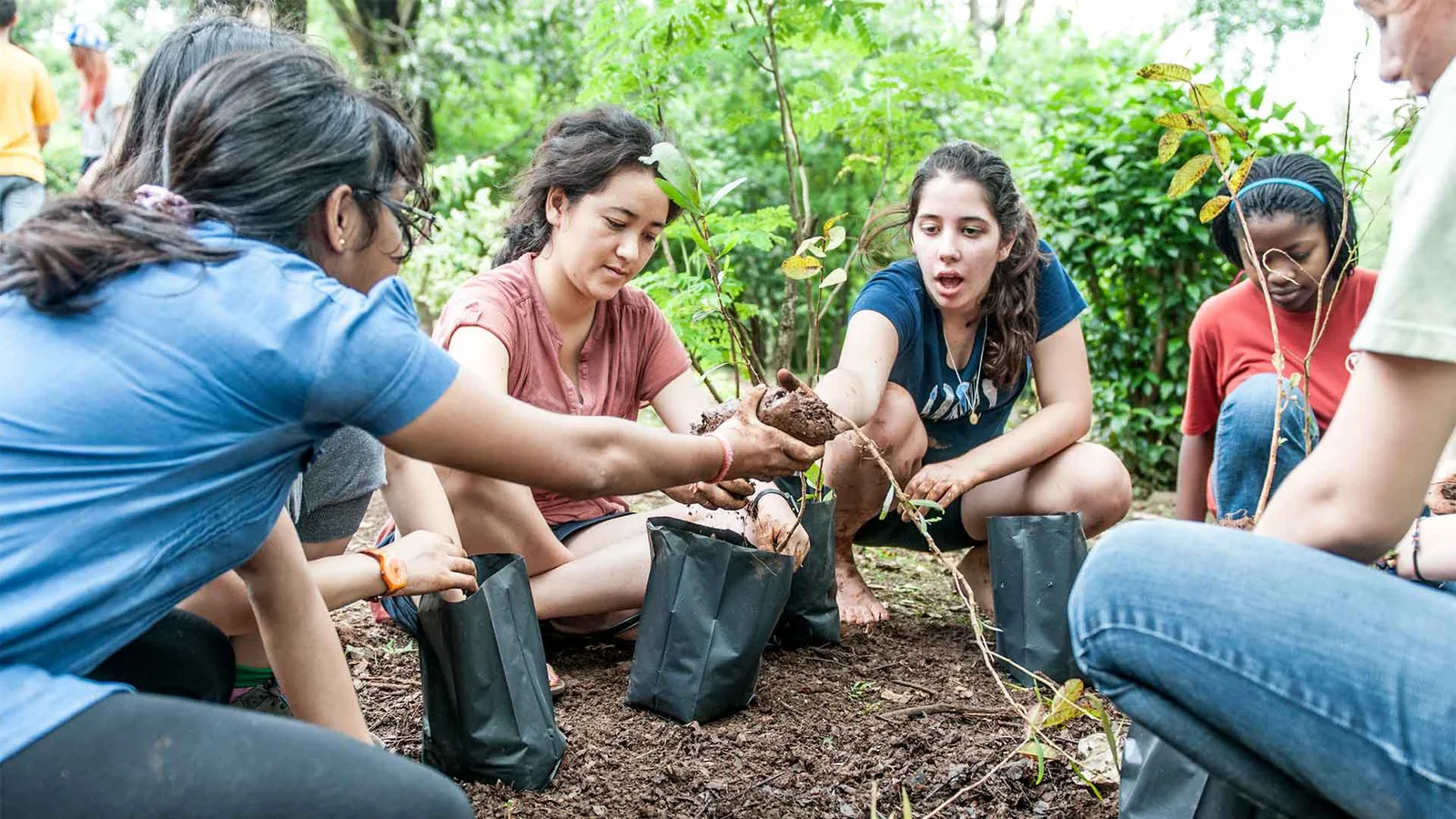
Key conservation initiatives
1. Protection and expansion of the biodiversity reserve.
2. Native tree plantation and habitat restoration.
3. Soil and water conservation.
4. Butterfly gardens, medicinal plant gardens and nature trails.
5. Sustainable resource management through solar energy, wastewater reuse, waste segregation, composting/biogas, and reduction of paper and plastic consumption.
Explore the campus
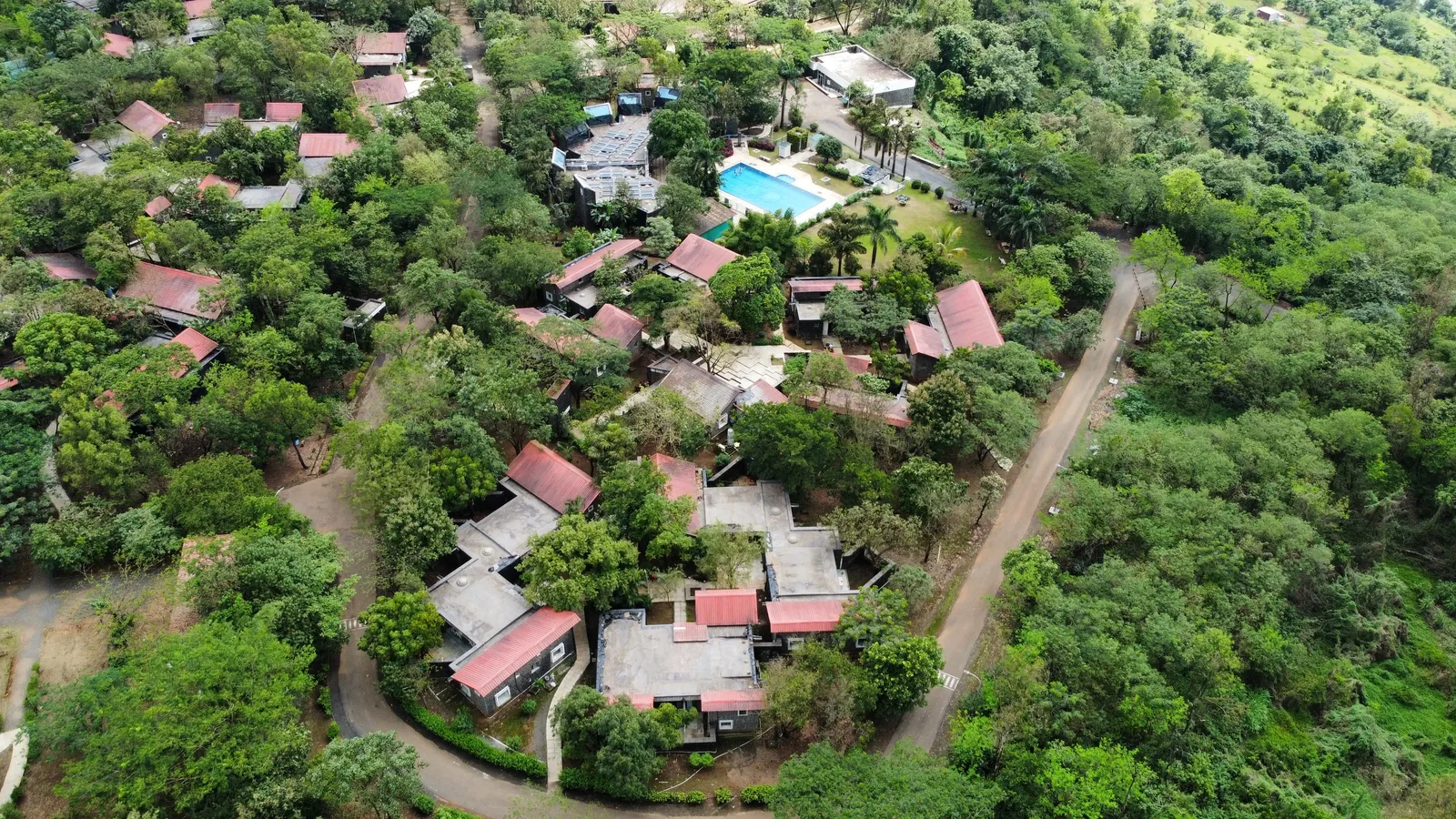
UWC Mahindra College (MUWCI) is set on 175 acres in the Sahyadri Hills of Maharashtra, India. 23.93% of this land is protected as Vanvihar, a biodiversity park and reserve.