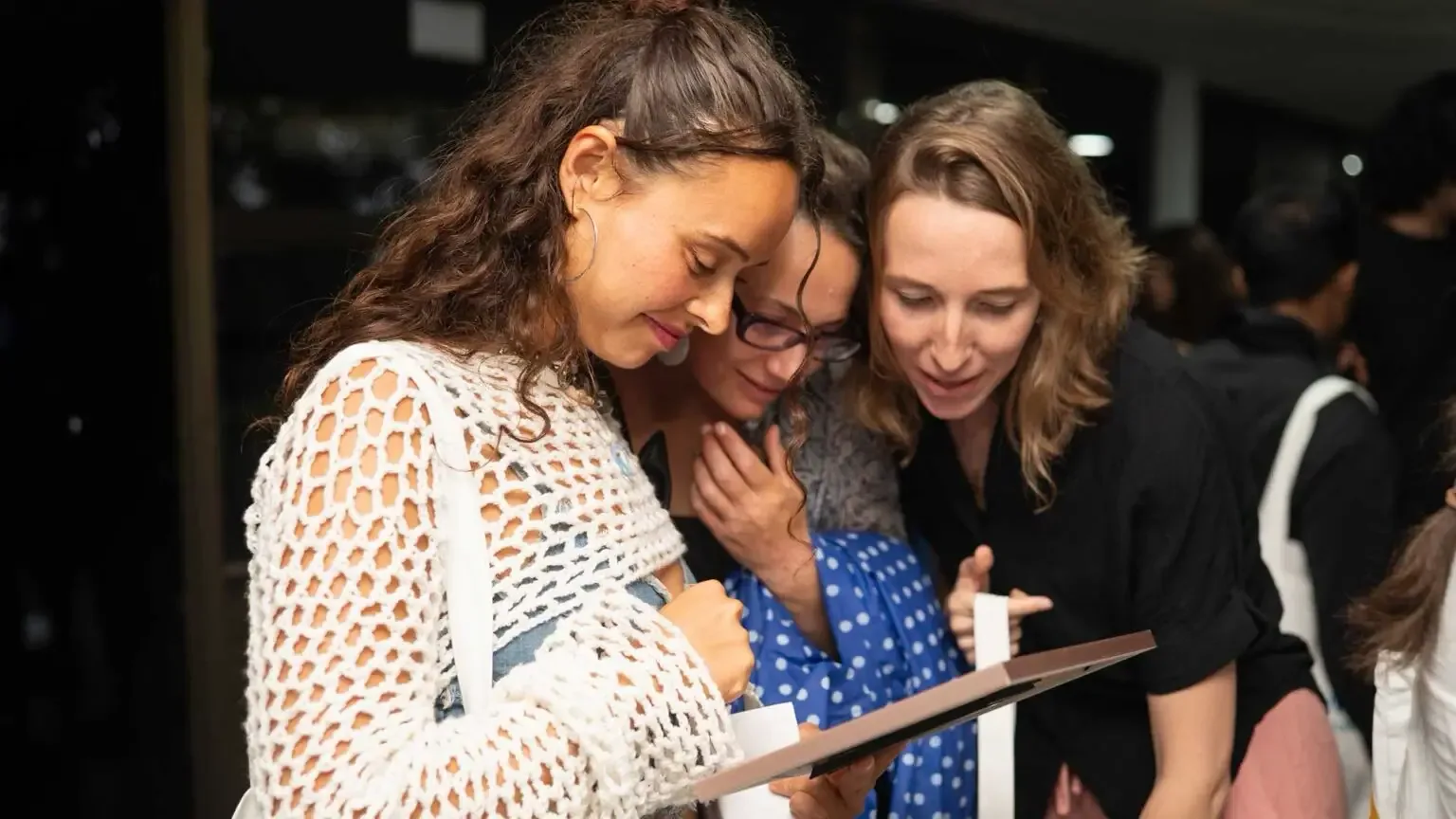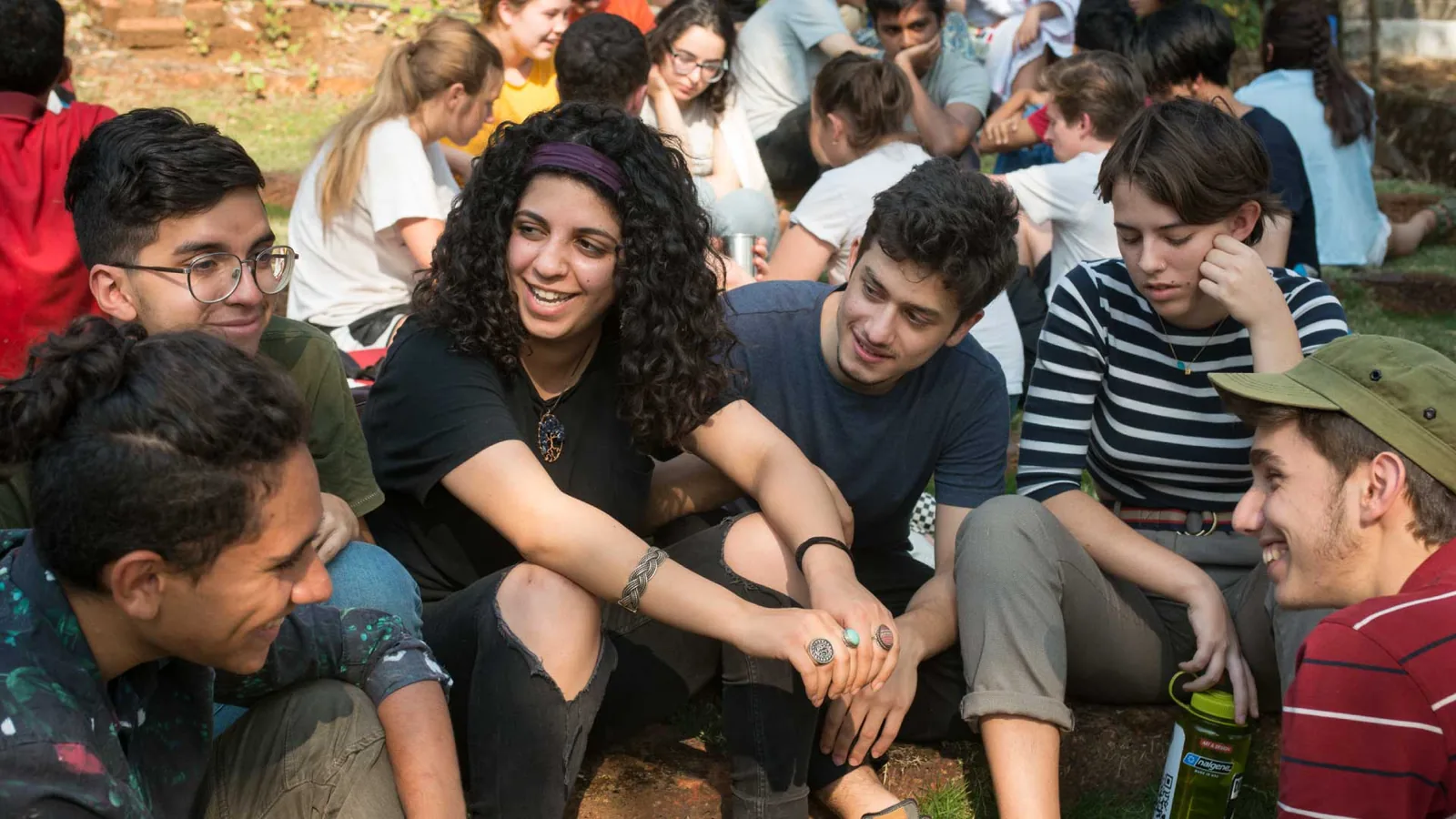
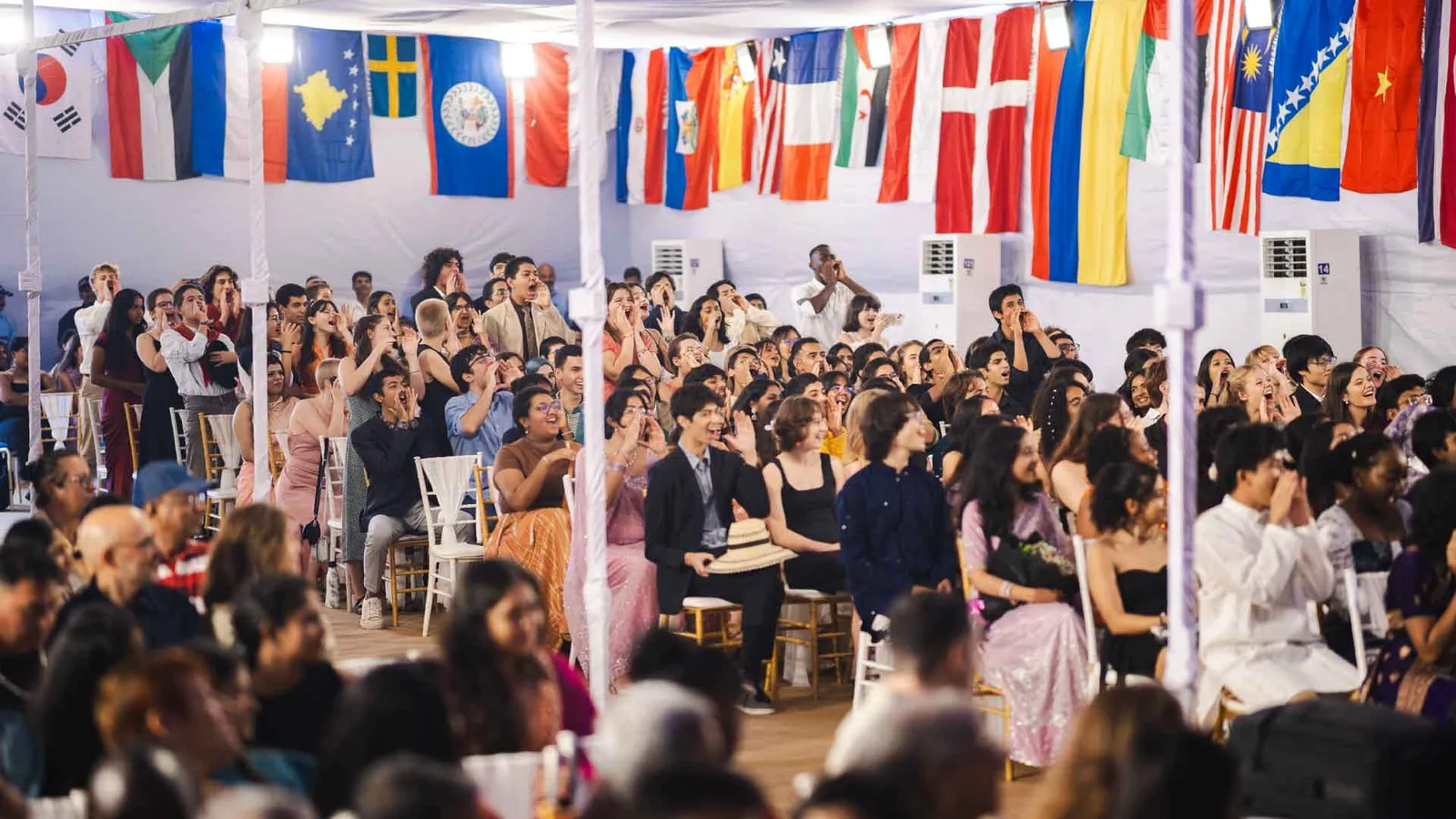
"Everyone at MUWCI is drawn by the UWC mission"
The United World Colleges (UWC) is a global movement with 18 schools and colleges on four continents. Founded in 1962, it is built on a single idea: that bringing young people from different nations together, before the world has had the chance to divide them, is one of the most effective things education can do. MUWCI is one of those 18 colleges, and the only one in India.
"Everyone at MUWCI is drawn by the UWC mission and the young people here who are hungry for an exciting and meaningful education which aims to serve communities and not just individuals."
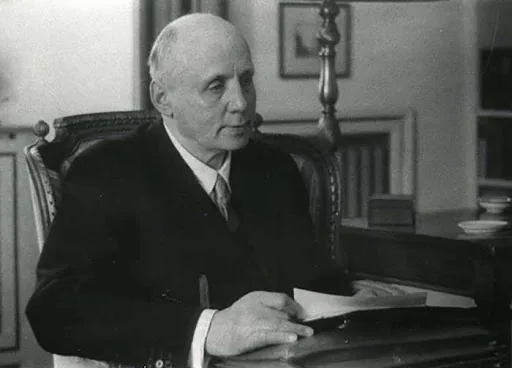
Where the idea came from
In 1958, at the height of the Cold War, German educator Kurt Hahn attended a conference at the NATO Staff College. He was struck by a simple observation: former adversaries from World War II were working together productively. Hahn believed that if young people from different nations were educated together before conflict took hold, you would get the same result earlier, and at less cost.
His vision was a college where students were selected not for wealth or nationality, but for potential and character. Where academic study sat alongside outdoor challenge, community service, and genuine encounter with people unlike yourself. Where resilience and empathy were not extras but requirements.
In 1962, Atlantic College opened in South Wales. The Times described it as "the most exciting experiment in education since the Second World War". Hahn had his proof of concept.

The movement grows
From that single college in Wales, the UWC movement has grown steadily. Today there are 18 schools and colleges on four continents. Most serve students between the ages of 16 and 19. Each has its own character, shaped by its location and community. All share the same mission, values, and commitment to selecting students on the basis of who they are rather than what their families can pay.
The movement has had some notable supporters. Lord Mountbatten became President in 1967. HRH The Prince of Wales, now His Majesty King Charles III, took on the role in 1978. In 1995, Nelson Mandela and Queen Noor of Jordan became joint Presidents. Mandela, who had attended a UWC event in 1993 while still serving as ANC President, described the UWC mission as aligned with his own vision for South Africa's future. He became honorary President in 1999.
Timeline of the UWC Movement
German educator Kurt Hahn attends a conference at the NATO Staff College and is struck by how former World War II adversaries are working together. He begins developing the idea of a college that would educate young people from different nations together.
Atlantic College opens in South Wales. The Times calls it "the most exciting experiment in education since the Second World War".
Lord Mountbatten becomes President of the movement, which formally takes the name "United World Colleges".
Atlantic College becomes the first school in the world to adopt the International Baccalaureate(IB) as its sole examination qualification.
The network
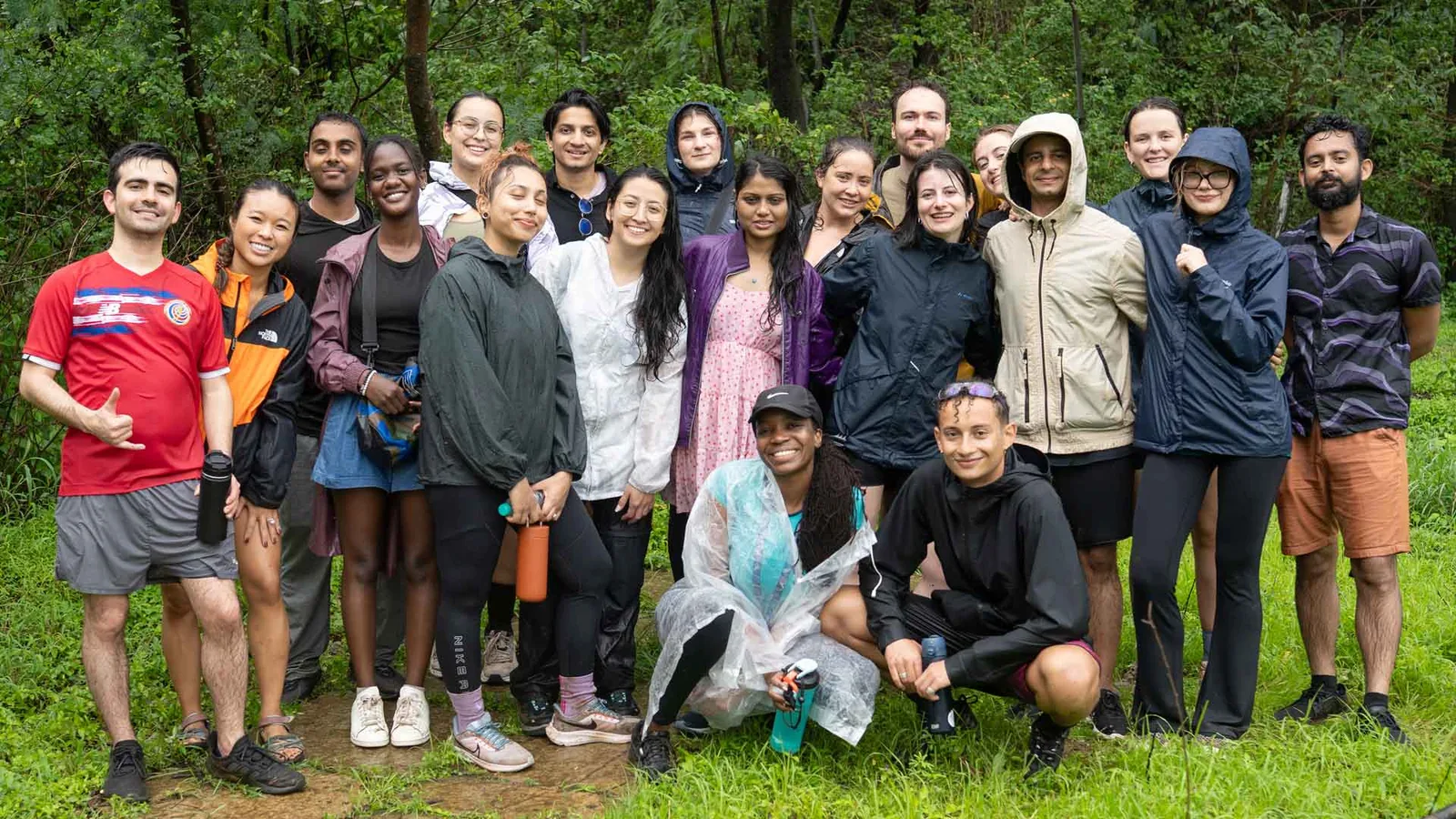
Selecting students is not something each college does alone. UWC has a network of National Committees in over 150 countries, supported by more than 4,000 volunteers, who identify and put forward candidates from their own communities. This is how MUWCI draws students from over 70 nationalities: not through institutional marketing, but through a global volunteer network that finds students who would otherwise never have heard of the college.
The 85,000+ strong UWC alumni network spans the world and continues to further the movement's mission long after graduation. Former students work across sectors and countries, many of them staying connected to UWC as National Committee volunteers, donors, or mentors to the next cohort.
UWC and the IB
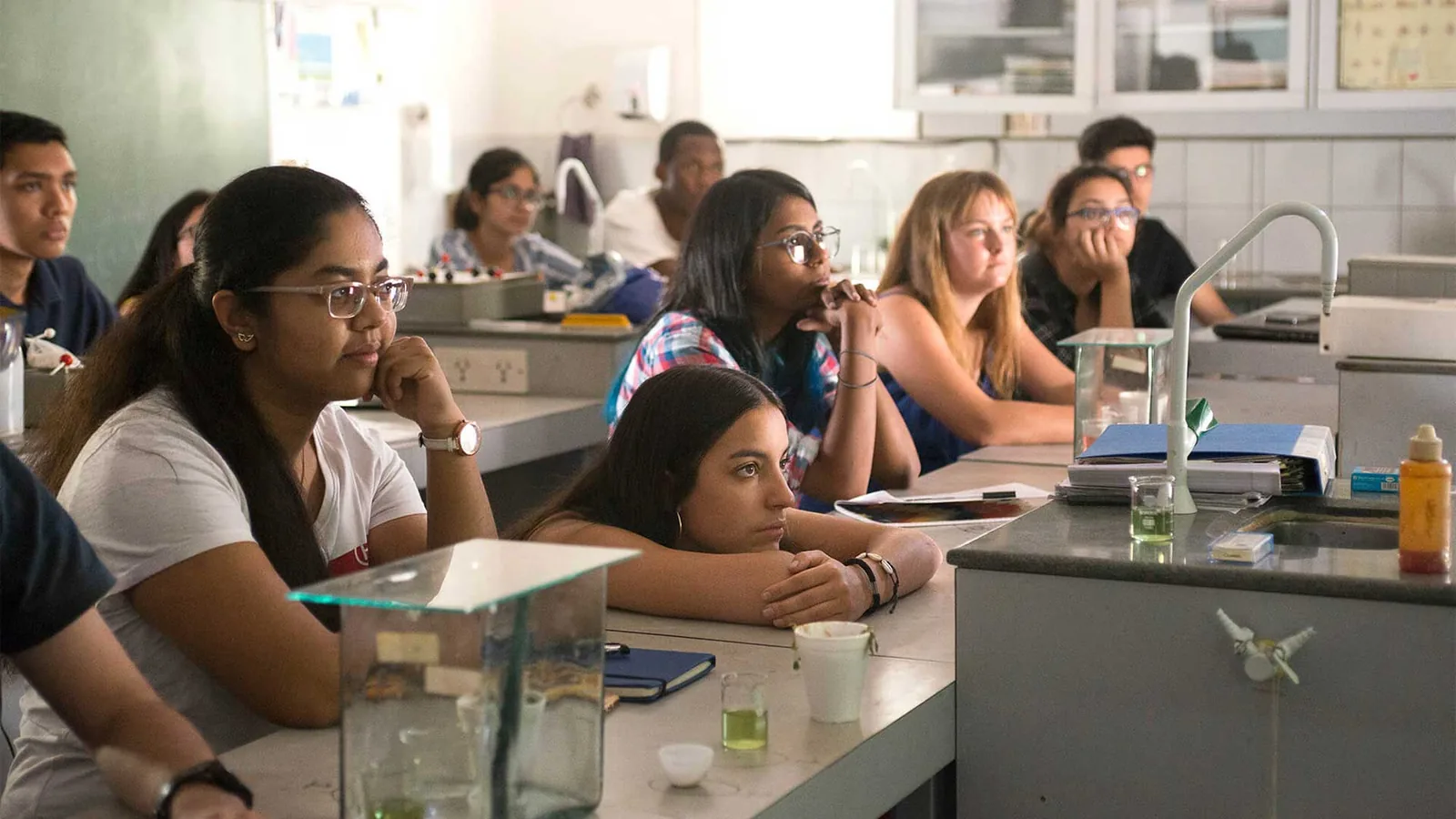
Atlantic College was the first school in the world to adopt the International Baccalaureate Diploma in 1971. Since then, UWC has played an active role in developing the IB programme. MUWCI is among the colleges that have contributed to this: its faculty have helped develop subjects including Global Politics, World Religions, Film Studies, and the World Studies Extended Essay, which MUWCI pioneered in 2003.
What UWC stands for
| UWC values |
|---|
| 1. International and Intercultural Understanding |
| 2. A Sense of Idealism |
| 3. Compassion and Service |
| 4. Mutual Responsibility and Respect |
| 5. Action and Personal Example |
| 6. Celebration of Difference |
| 7. Personal Challenge |
| 8. Personal Responsibility and Integrity |
| 9. Respect for the Environment |
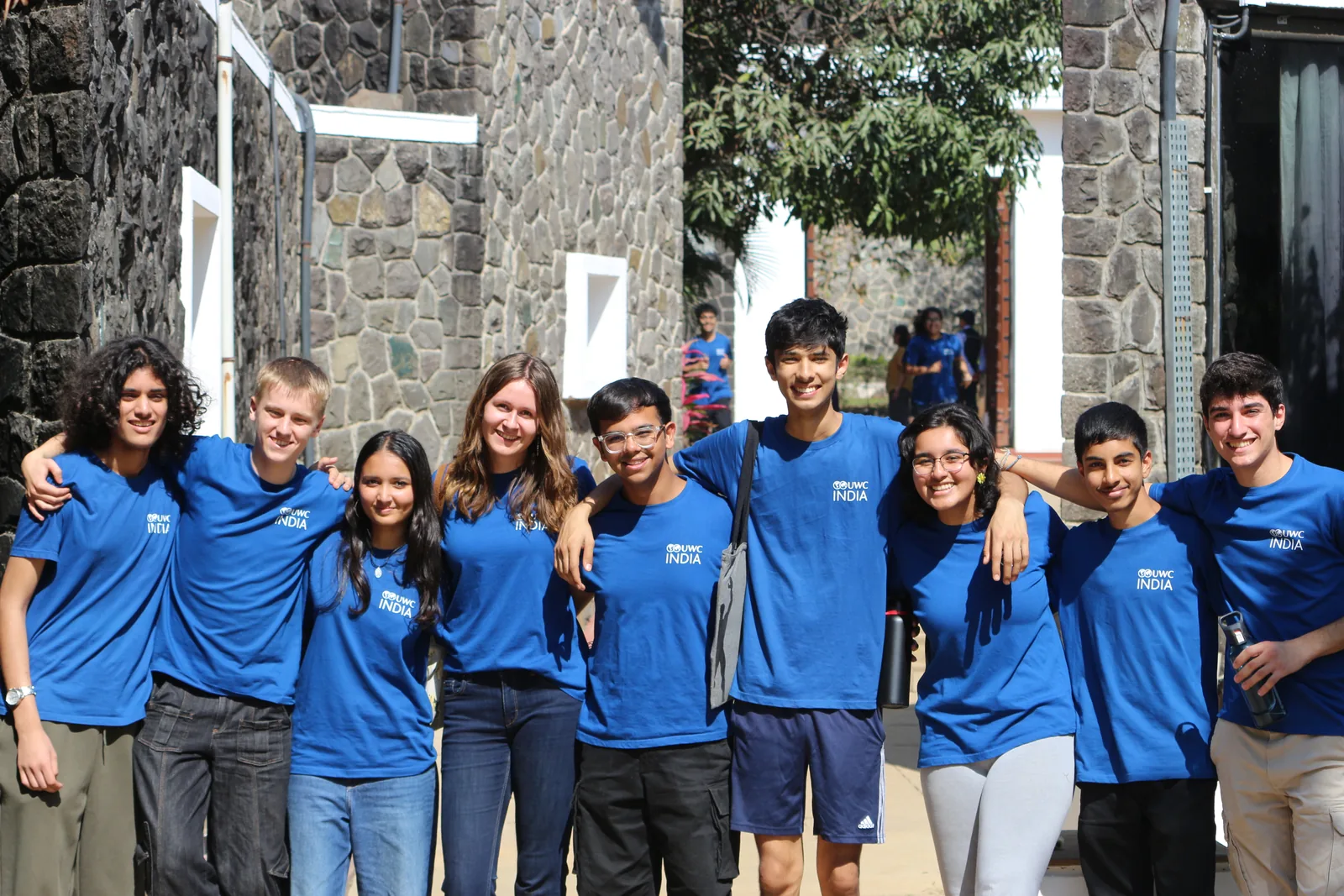
The nine values above are shared by every UWC college in the world. They are not aspirational statements. They are the terms on which students are selected, communities are built, and graduates are expected to act.
Explore all UWC colleges
The UWC Movement has 18 schools and colleges spread across the world! Each with it's own unique space and offerings.