"MUWCI exists to make education a force for peace and a sustainable future."
Every decision at MUWCI, from who we admit to how we teach to what we ask of students outside the classroom, flows from a single belief: that education can be a force for peace. Not an aspiration. A daily practice.
MUWCI is one of 18 United World Colleges worldwide. Every UWC shares the same mission. What differs is how each college lives it out, shaped by its location, its community, and the particular moment in history it inhabits.
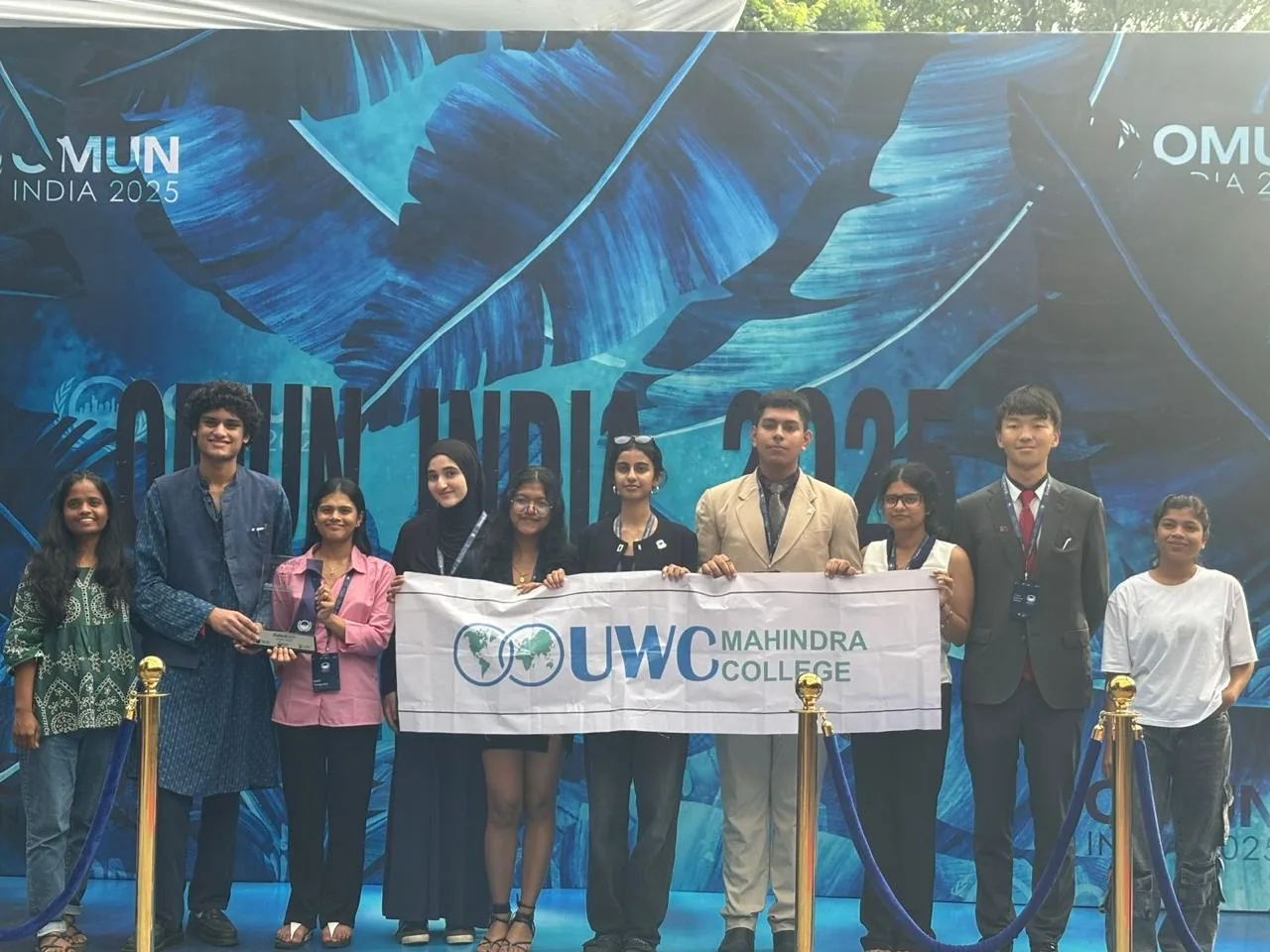
Our Mission
Every decision at MUWCI, from who we admit to how we teach to what we ask of students outside the classroom, flows from a single belief: that education can be a force for peace. Not an aspiration. A daily practice.
As India's only UWC college, MUWCI occupies a specific position within this global movement. It sits at the intersection of one of the world's most diverse nations and an international student community that arrives from over 70 countries. The work of peace and sustainability here is not abstract. It happens in a classroom where students from formerly divided nations are doing coursework together, on a service trip where a student from a wealthy European city is working alongside a rural community in Bihar, and in the daily act of living with people whose lives are entirely unlike yours.
"To provide a transformative educational experience that unites a diverse global student body for peace and a sustainable future, translating the UWC mission into a lived daily reality that empowers tomorrow's changemakers."
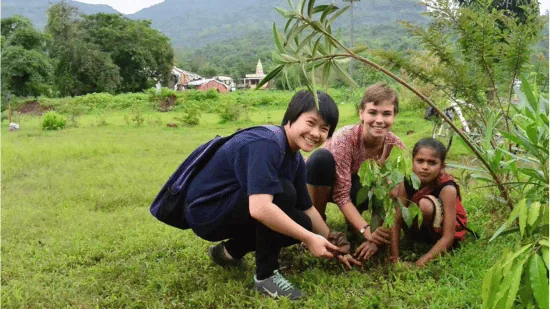
Our Vision
MUWCI was built on a founding commitment to access. The scholarship programme that supports the majority of its students is not an afterthought. It is central to the vision. A college that only serves those who can afford it cannot honestly claim to be working for peace. The vision extends beyond the campus. Students arrive on the hill for two years. They leave as part of a global community working in policy, medicine, education, the arts, environmental science, and social enterprise. The outcomes of a MUWCI education are not measured only in university placements. They are measured in what graduates choose to do with what they carry with them.
Mission and values only mean something when they show up in daily choices. At MUWCI, several structures exist specifically to make sure they do.
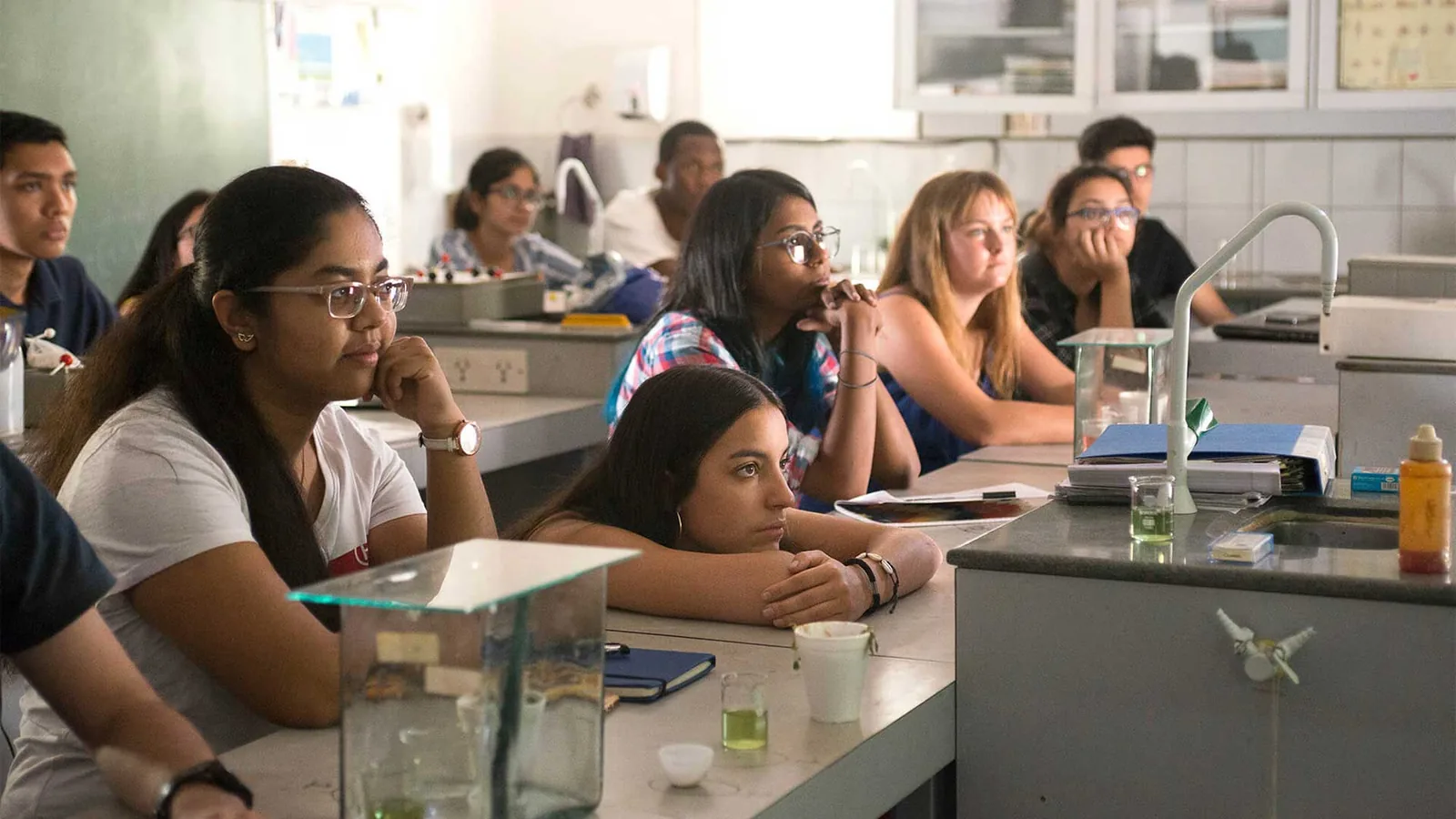
Access through scholarships
A commitment to peace and sustainability means little if the education that teaches these things is only available to the wealthy. MUWCI's financial support to is substantial. It ensures that students are admitted on the basis of who they are and what they can contribute, not what their families can pay.
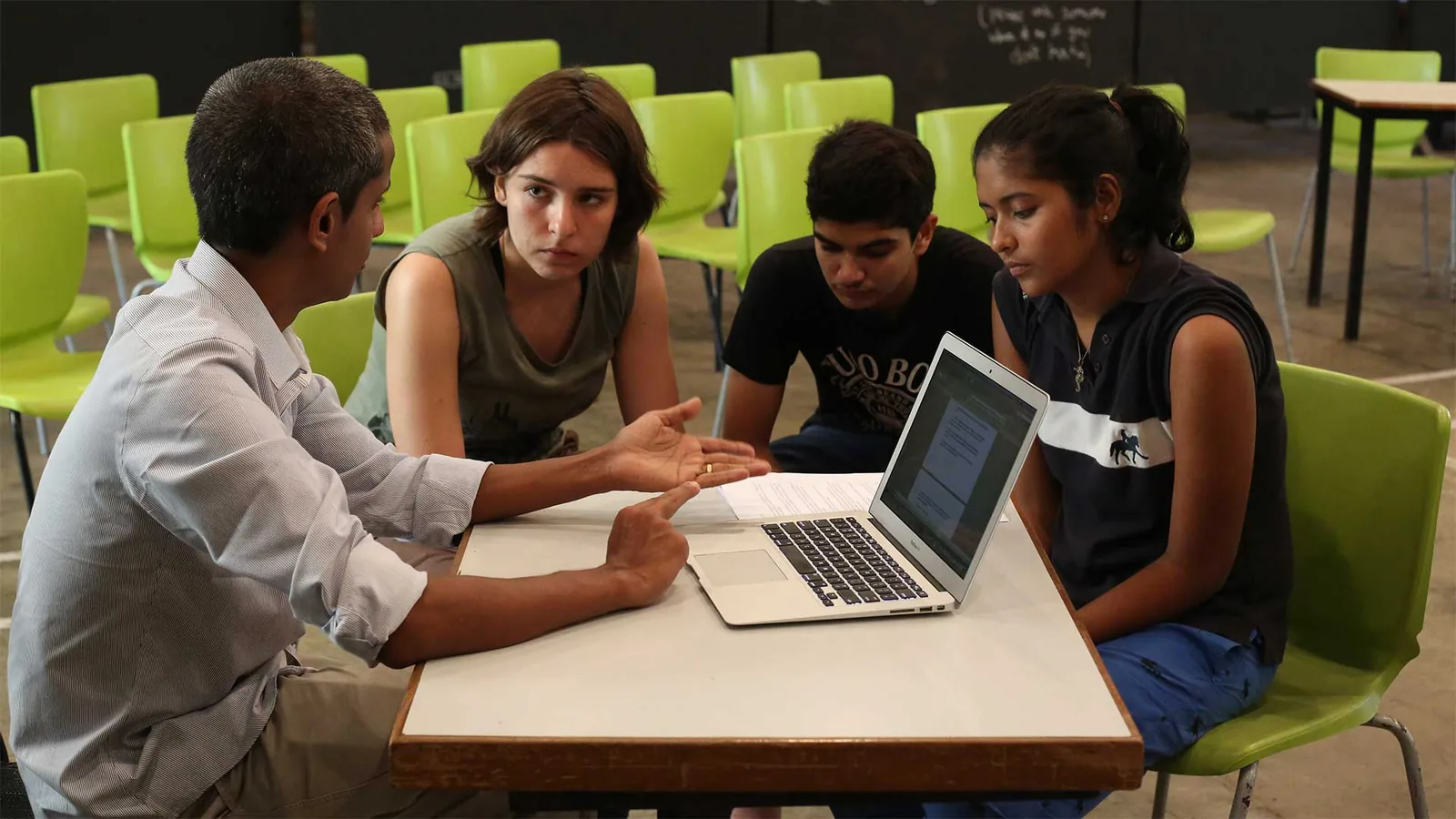
Relational, active learning
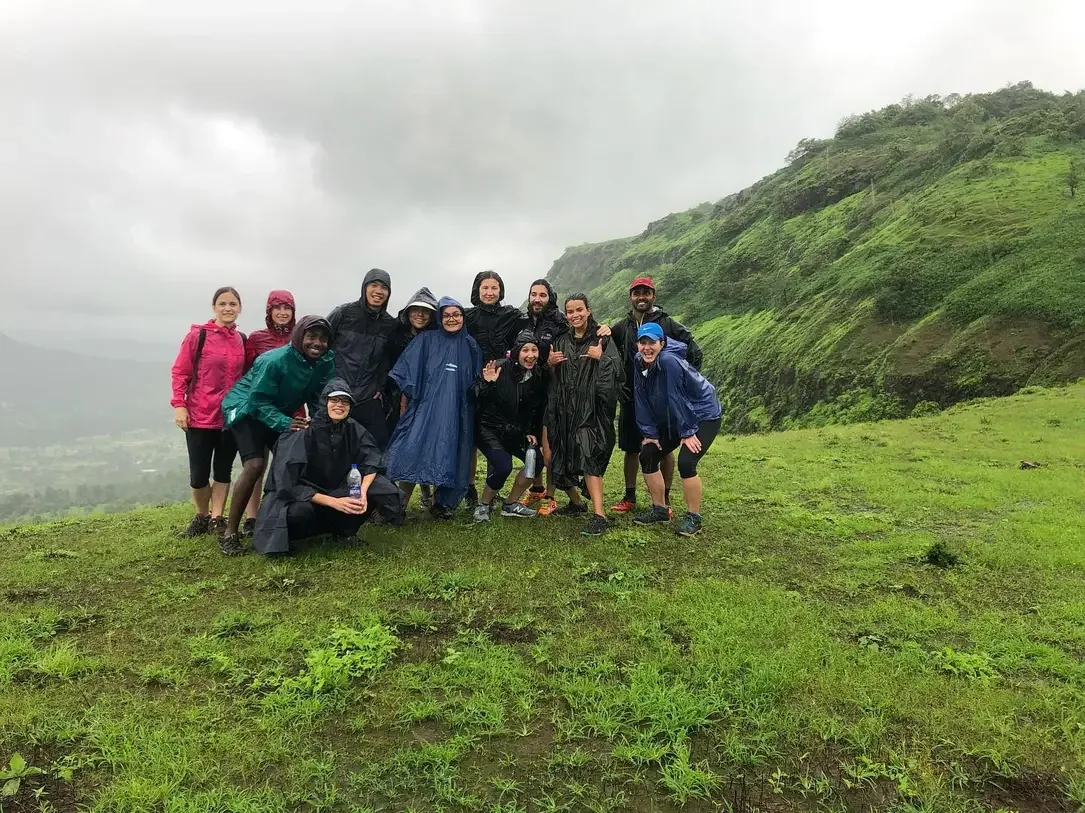
MUWCI's educational philosophy holds that effective education is relational and active. Learning happens in relation to the ideas, places, and cultures that surround you. This is why classroom study is paired with four weeks of project-based learning across India, why service to the local community is mandatory, and why student initiatives are led by students rather than organised for them.
What UWC stands for
International and Intercultural Understanding
A Sense of Idealism
Compassion and Service
Mutual Responsibility and Respect
Action and Personal Example
Celebration of Difference
Personal Challenge
Personal Responsibility and Integrity
Respect for the Environment
“A world where young people, regardless of nationality or economic background, can access an education that challenges them to grow, to serve, and to lead.”
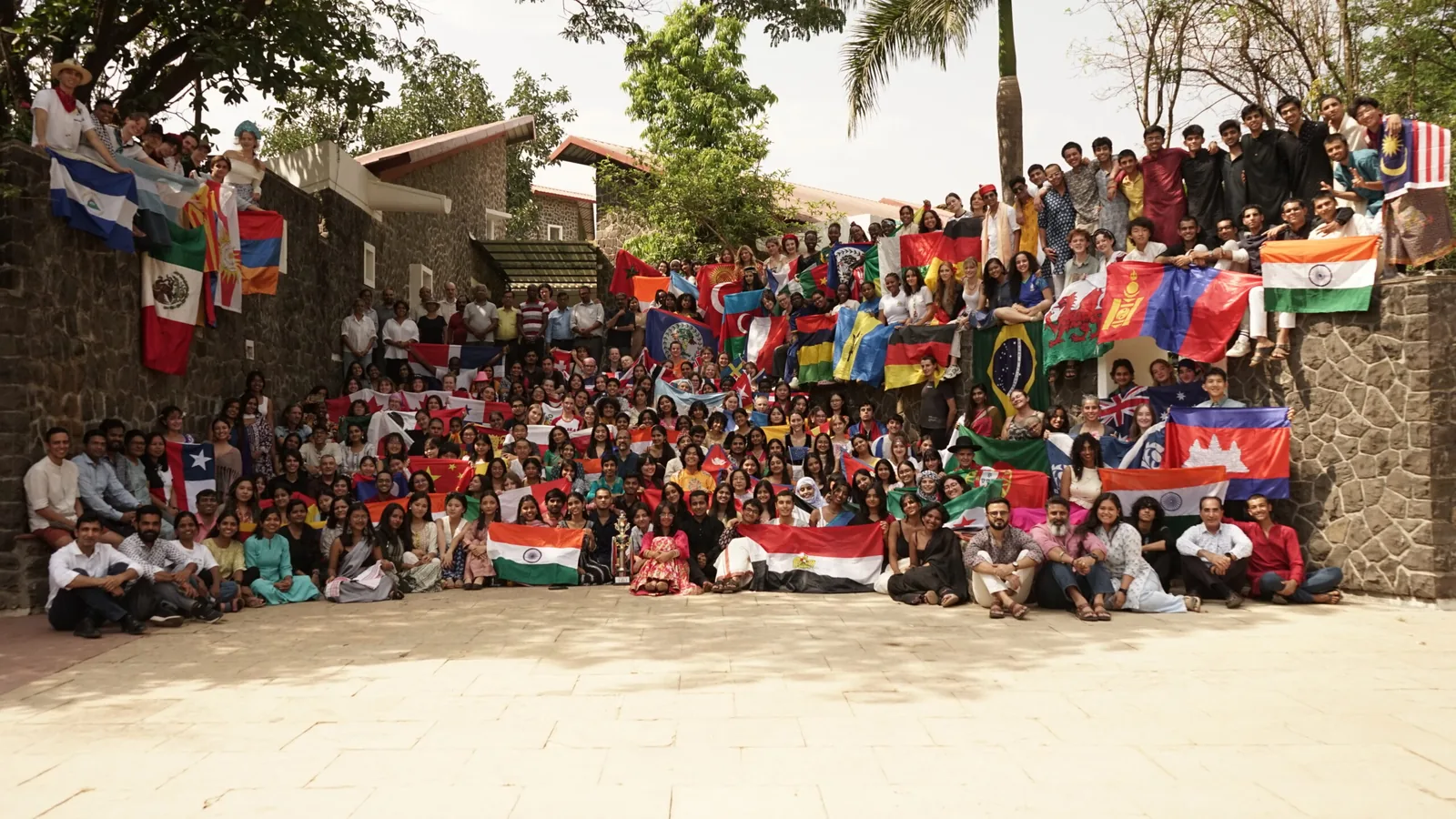
Deliberate diversity
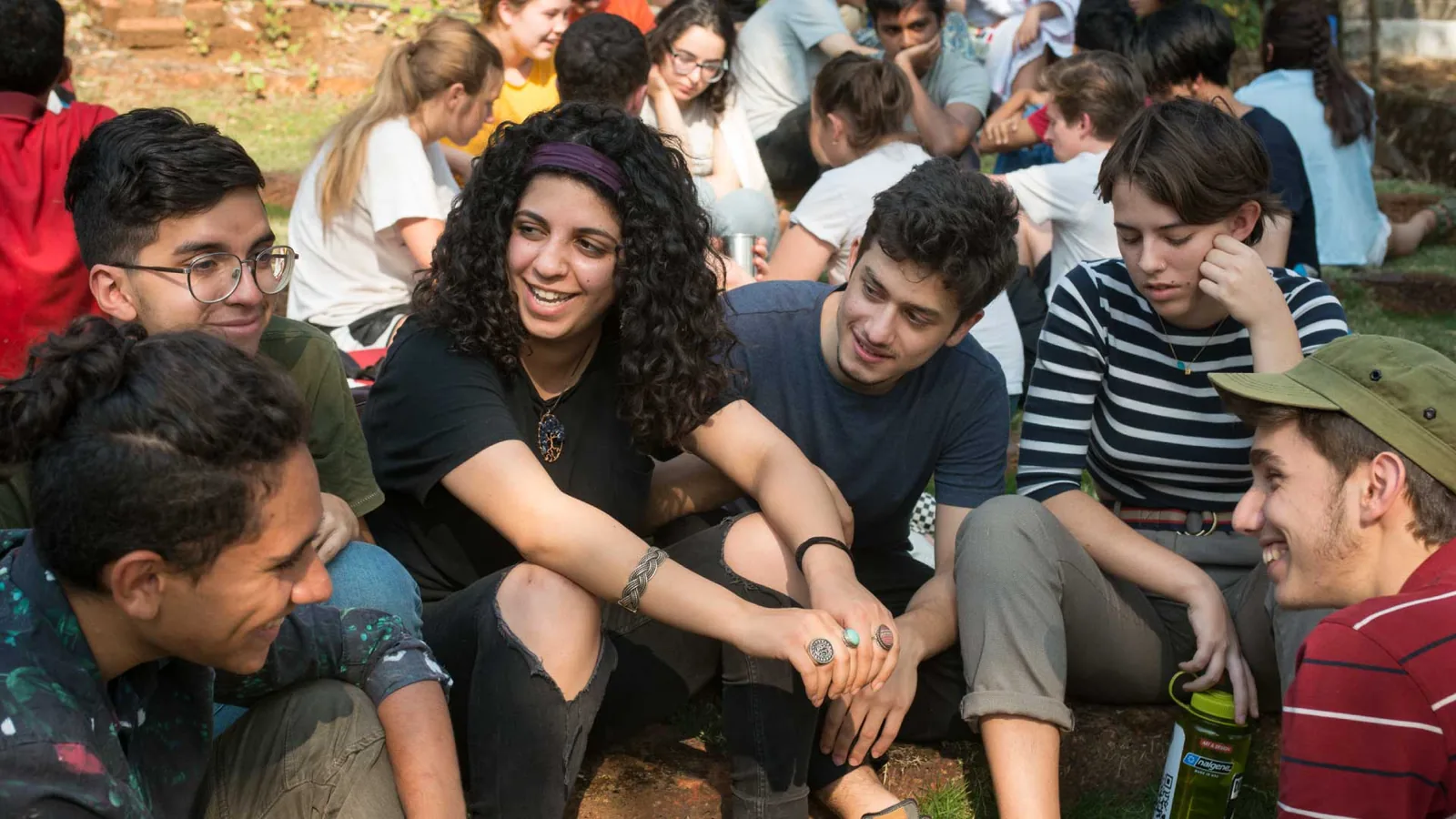
Students from across the world study and live together at MUWCI. The diversity is deliberate and designed. It creates conditions for students to encounter perspectives, histories, and realities they would otherwise never encounter, and to mature into more socially aware, collaborative, and empathetic individuals.

Sustainability as lived practice
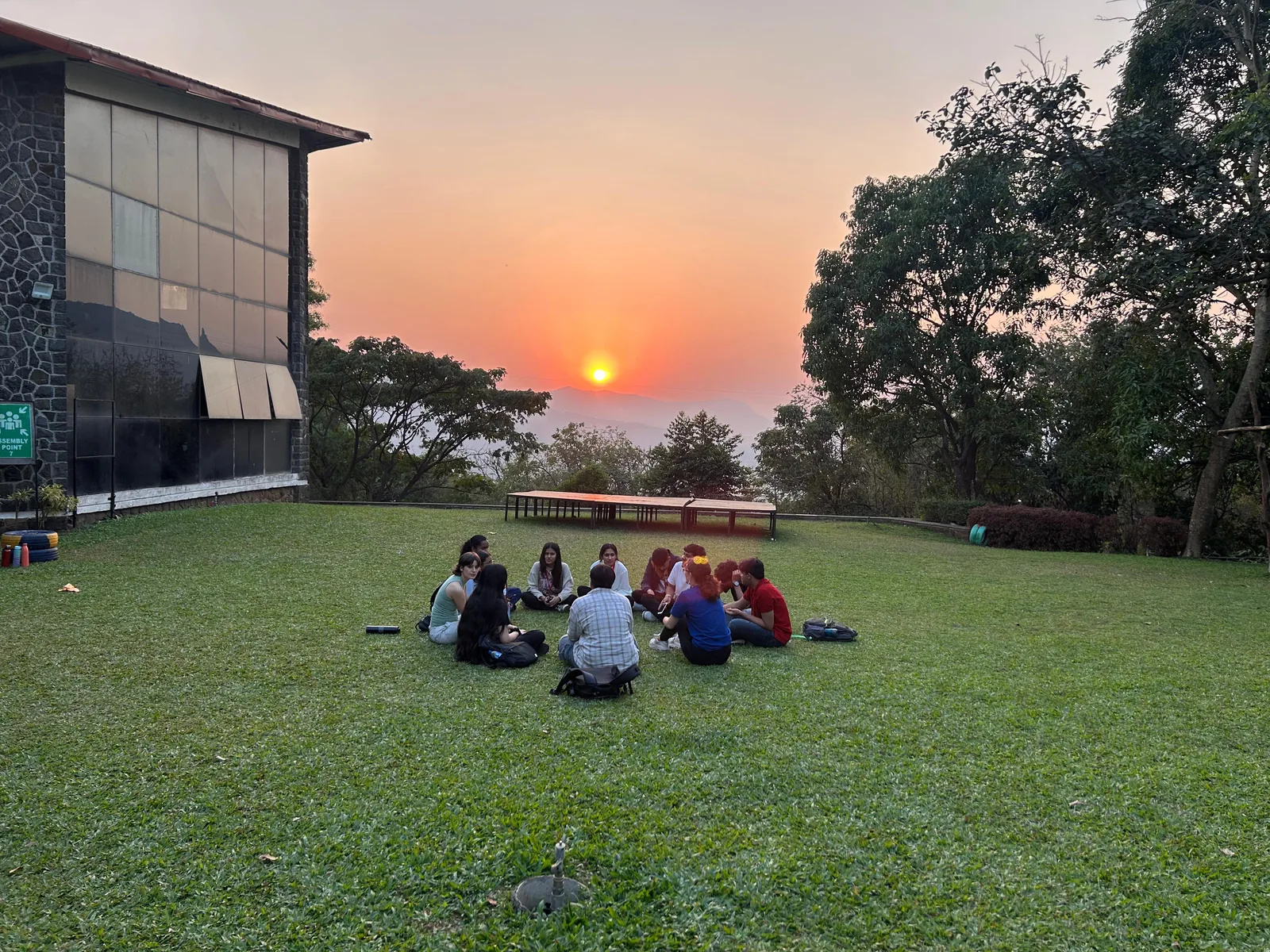
The campus sits on a biodiversity reserve in the Sahyadri hills. Students do not study the environment from a distance. They live within it, tend to it, and are responsible for it. From organic farming to watershed restoration, the work of sustainability at MUWCI is hands-on and local.
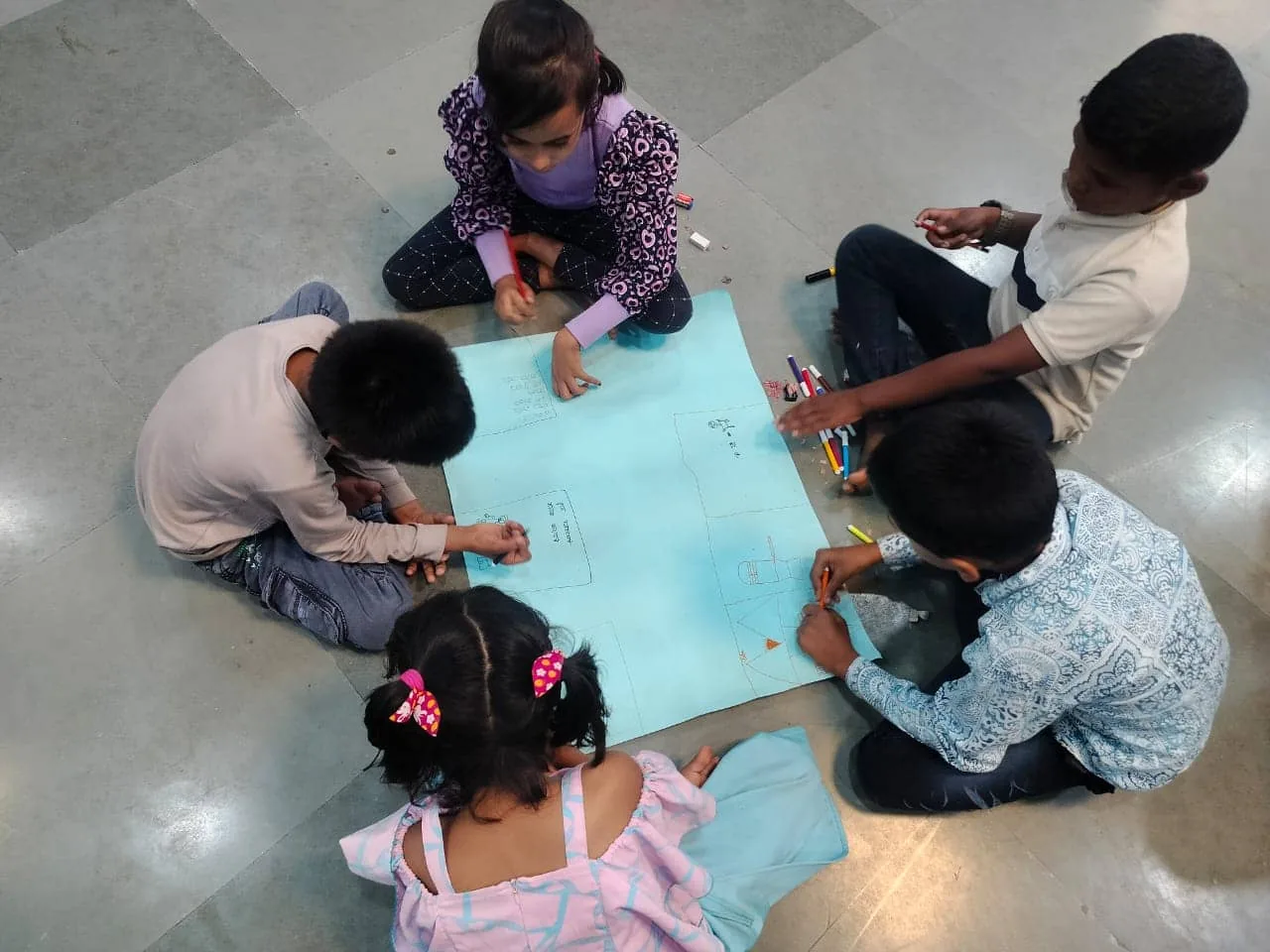
Community beyond the campus
The Akshara programme has been working with 11 villages neighbouring the campus for over 15 years, running more than 30 interventions across education, livelihood, and community development. For MUWCI, the local community is not a backdrop. It is part of the education.
"Everyone at MUWCI is drawn by the UWC mission and the young people here who are hungry for an exciting and meaningful education which aims to serve communities and not just individuals."